
Fresh Dog Food For Allergies & Gut Health In Singapore

The sound of constant scratching at night, red and swollen paws, soft stools, and a half-finished food bowl are all signs many families recognise. After trying one kibble after another with no relief, it can feel as if nothing helps and that your dog is destined to stay itchy or gassy forever.
We see this often at Pawmeal in Singapore. Even with our own cat and dog! It is stressful to watch a dog look uncomfortable yet still wag, and even more confusing when advice from friends, social media, and clinics does not match. Medications, medicated shampoos, and ear drops may calm things for a while, only for the flare-ups to come back as soon as the prescription runs out. For many dogs, the real issue sits right in the bowl.
A large share of a dog’s immune system is linked to the gut, so what your dog eats affects the skin, ears, digestion, and energy level. Fresh, gently cooked dog food made from human-grade ingredients can calm inflammation instead of feeding it with harsh fillers, highly processed proteins, and artificial additives.
This guide shares what we have learned from working with sensitive stomachs, itchy skin, picky eaters, puppies, and seniors. You will see how food allergies really work, why gut health matters so much, which kibble ingredients often cause trouble, and how fresh dog food works differently. We will explain how Pawmeal recipes are created with veterinary input following AAFCO, NRC, and FEDIAF guidelines and how to choose the right formulas. By the end, you will understand how changing the bowl can lead to firmer stools, calmer skin, and a happier dog.
Key Takeaways
- Fresh, human-grade dog food can ease allergy signs and support gut health at the same time. By removing common irritants in kibble and feeding gently cooked whole foods, the body gets a chance to calm down. Many Pawmeal families see firmer stools, less scratching, and better appetite within a few weeks.
- Many food reactions are linked to processed ingredients such as low-grade meat meals, certain grains, and artificial preservatives. With fresh meals, you gain full control over protein and carbohydrate sources and can use single protein recipes with clear labels. This makes it far easier to avoid triggers while still feeding complete and balanced nutrition.
- Pawmeal offers veterinary-guided fresh meals that follow AAFCO, NRC, and FEDIAF guidelines and are cooked weekly in an AVS-licensed kitchen. With protein rotation, novel proteins, and personalised meal plans, we help pet parents manage allergies and digestive issues step by step, supported by feeding guidance and ongoing help.
Understanding Food Allergies In Dogs And Signs Your Dog May Be Suffering

When pet parents mention “allergies,” they usually mean any bad reaction to food. In simple terms:
- A true food allergy is an immune overreaction to a protein.
- A food sensitivity or intolerance is more about how the gut handles certain ingredients.
Both can make a dog miserable, but they behave differently inside the body.
True allergies can trigger an immune response even from a tiny amount of the problem food, often showing as:
- Chronic itching
- Red or flaky skin
- Hot spots
- Repeated ear infections
Sensitivities tend to show more in the digestive system as diarrhea, gas, vomiting, or loud, gurgling tummies. Many dogs live with a mix of both, which explains messy days and restless nights.
Common signs owners tell us about include paw licking or chewing until fur stains brown, constant head shaking from ear discomfort, dull coats, a “doggy” odour that never leaves, and stools that keep switching between soft and normal. Over months, this affects sleep, mood, and playtime for the whole family.
Topical treatments and medications – steroid creams, medicated shampoos, antibiotics for ears, probiotics for stools – may help briefly. But if the bowl still holds triggering ingredients, the cycle repeats. That is why we look at the diet first, not only the skin.
Many people are surprised that allergies can appear after years of eating the same food. A dog may eat chicken-based kibble for most of its life and then start itching one day. Feeding the same, highly processed protein with additives can slowly sensitise the immune system.
Thoughtful nutrition is often the first line of defence. Swapping problem ingredients for clean, gently cooked, clearly labelled recipes removes a major source of irritation and gives both the skin and immune system a chance to settle.
The Gut Allergy Connection And Why Digestive Health Matters
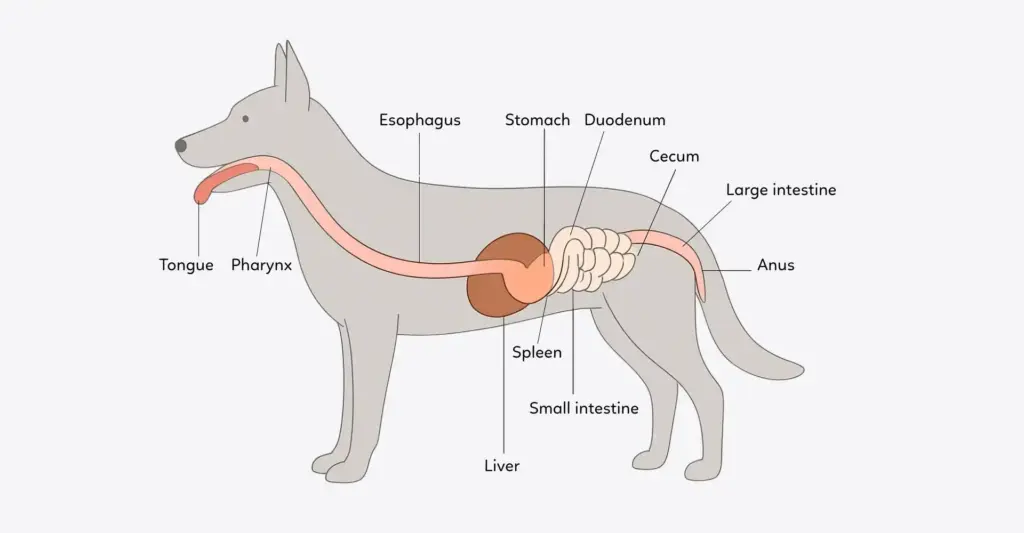
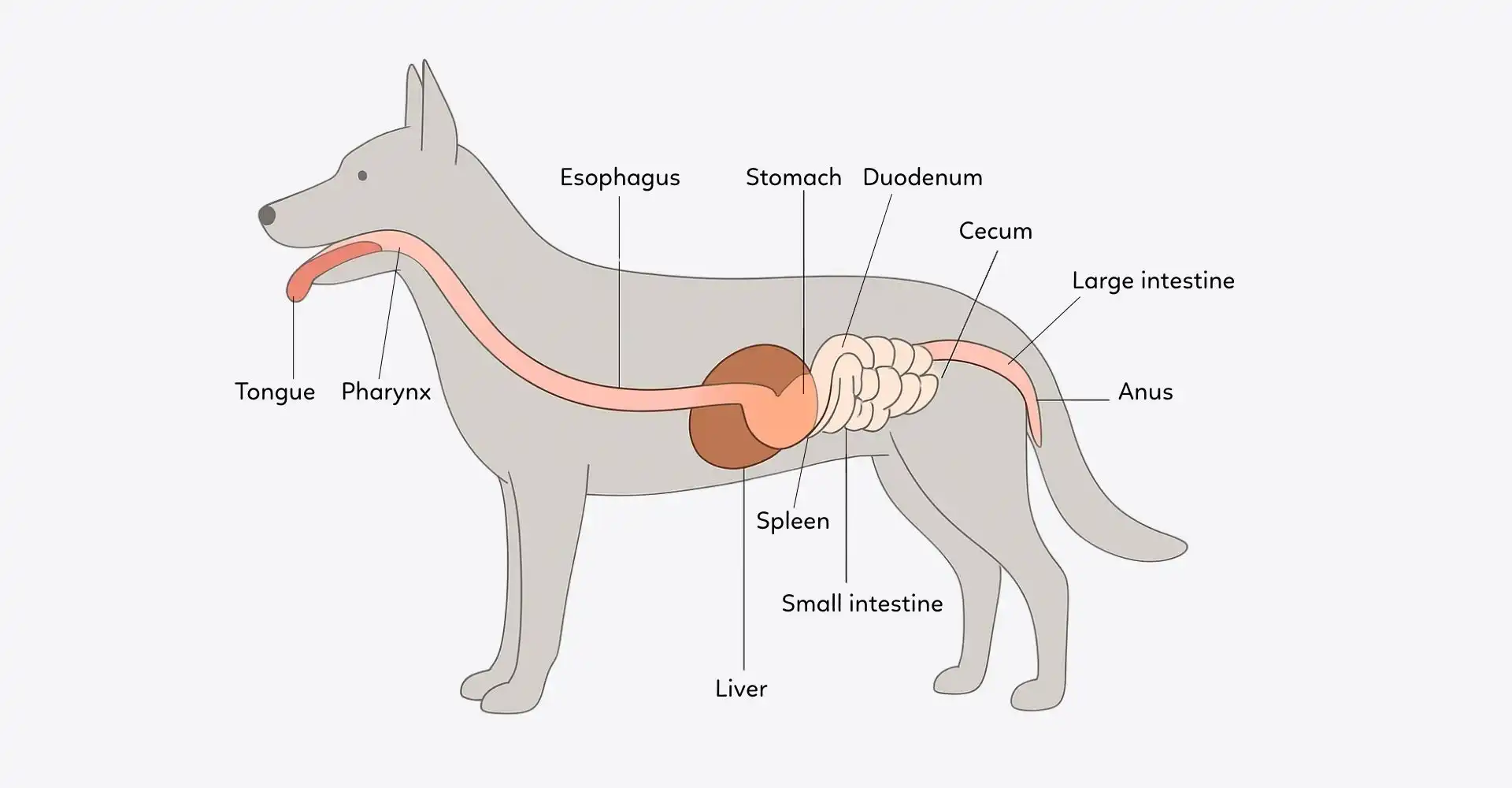
A big part of the allergy puzzle lies in the gut. A large share of a dog’s immune cells sit in and around the intestines, so the gut is not just a tube for food – it helps decide how the body responds to invaders and inflammation.
Inside the gut live billions of bacteria, some helpful and some harmful. When helpful bacteria are in charge, they:
- Assist with digestion
- Produce vitamins
- Help keep the gut lining healthy
When this balance is disturbed (dysbiosis), overall inflammation can rise and dogs may react more strongly to food, pollen, or dust.
You may have heard the term leaky gut. This is when the intestinal lining becomes damaged and more porous than it should be. Instead of acting like a fine filter, it allows larger particles and toxins into the bloodstream. The immune system treats these as invaders, which can show up as itch, rashes, ear trouble, or chronic gut problems.
“All disease begins in the gut” is a line often attributed to Hippocrates. It is a simplification, but it underlines how closely digestion and health are linked.
Highly processed kibble can stress the gut: high heat processing, cheap fillers such as corn, wheat, and soy, plus artificial preservatives can strain digestion over time. Dry food also lacks natural moisture, making digestion harder, especially in older or sensitive dogs.
Gently cooked food with real meat, healthy fats, and fibre-rich vegetables supports the gut microbiome and the gut lining. As the microbiome recovers and the lining strengthens, inflammation often drops across the body. This is why many nutrition-focused vets now recommend fresh diets for dogs with chronic allergies or digestive issues.
Common Kibble Culprits And Ingredients That Trigger Allergies And Digestive Issues
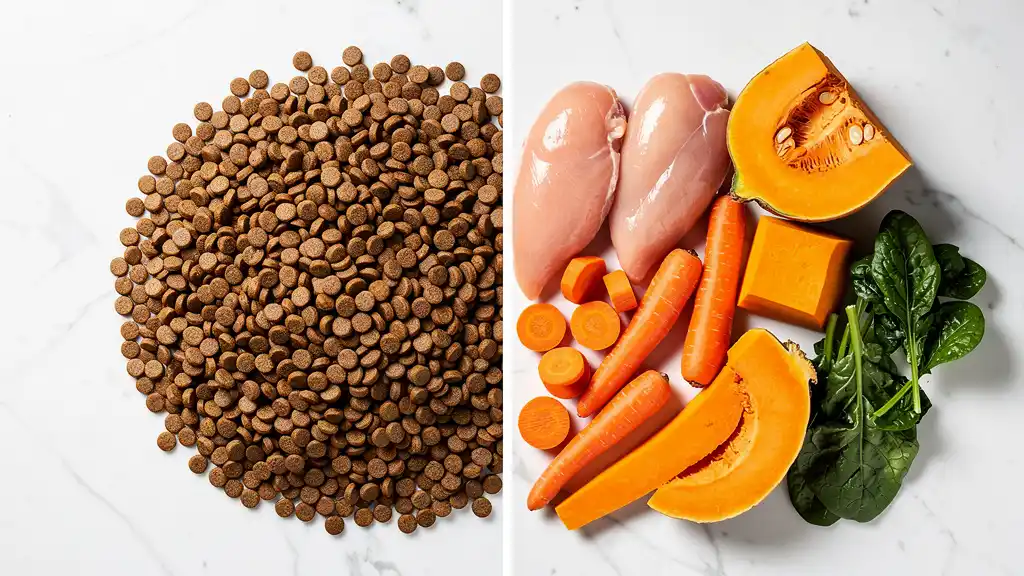
When a dog reacts badly to a diet, people often blame the main protein. While beef and chicken can be true allergens, the story is rarely that simple. How ingredients are processed – and what they are mixed with – matters a lot.
Common kibble troublemakers include:
- Low-grade protein sources such as meat by-products or generic meat meals, often rendered at very high temperatures, which can alter proteins and irritate the body.
- Grain fillers like wheat, corn, and soy, used because they are cheap and bind pellets. Some dogs cannot tolerate them, while others struggle with the dense starch load, leading to gas, bloating, loose stools, and constant hunger.
- Artificial additives such as preservatives (BHA, BHT, ethoxyquin), colours, and flavours. These can stress the liver and disturb the gut microbiome, which may worsen allergy and sensitivity symptoms.
Labels with phrases like “animal derivatives” or “meat meal” do not reveal which species were used or their quality. That makes proper elimination diets almost impossible.
Fresh recipes using whole, clearly named ingredients – for example, pork shoulder, pumpkin, and carrots – give you clarity. You know exactly which proteins and carbohydrates your dog is eating, making it much easier to avoid known triggers for dogs with allergies and gut issues.
How Fresh, Gently Cooked Food Supports Allergy Management And Gut Healing
Fresh, gently cooked meals tend to work with the body instead of against it. By cooking at lower temperatures and for shorter times, more natural vitamins, minerals, and other nutrients remain available. These better-quality building blocks support:
- Tissue repair
- A steady immune system
- A stronger gut lining
Moisture is another big plus. Fresh food carries its own water from meat and vegetables, so the stomach and intestines can move food along smoothly. Many sensitive dogs find this softer texture easier to digest than hard pellets.
Human-grade meats provide full amino acid profiles the body recognises, without the harsh, rendered fragments common in some kibble. This reduces digestive workload and irritation. Fresh vegetables add gentle fibre that feeds good gut bacteria and keeps stools regular. Ingredients like pumpkin and sweet potato provide both soluble and insoluble fibre, plus antioxidants that help calm long-term inflammation.
Because fresh food leaves out chemical preservatives, artificial colours, and flavour enhancers, there are fewer variables when you are trying to identify triggers. We rely instead on careful cooking, cooling, and quick freezing to keep food safe.
We can also build in extra support for allergy-prone dogs with:
- Omega-3-rich fats from fish for skin comfort
- Natural prebiotic fibres for the microbiome
- Antioxidant-rich vegetables for a steady immune response
Together, these form meals that help the body heal from the inside, not just fill the stomach.
The Power Of Protein Rotation And Novel Proteins For Sensitive Dogs
One helpful strategy for food-sensitive dogs is protein rotation – changing the main protein on a planned schedule instead of feeding the same one every day for years. This gives:
- A broader range of amino acids
- Less repeated stress on the immune system from a single protein
Feeding the same, highly processed protein long term may raise the risk of the immune system treating it as an enemy. Rotating between well-chosen meats can lower that risk.
Novel proteins are meats a dog has rarely or never eaten before, such as duck or certain game meats. A Comparative Evaluation of Nutrient digestibility study in dogs of different life stages demonstrates how novel protein sources can be effectively utilized across various age groups without compromising nutritional adequacy. Because the immune system has not seen these proteins before, it is less likely to have formed antibodies against them. For dogs that react to chicken or beef, starting with a novel protein is often a turning point.
Single protein formulas are very helpful for both rotation and allergy testing. When a recipe uses just one clearly named meat source, it is easier to tell whether a dog reacts. This is the basis of a sound elimination diet.
At Pawmeal, our menu is built with this approach in mind. We offer a range of everyday and less common proteins in single and double protein recipes. Each one is nutritionally complete on its own, so you can rotate for variety and allergy control without sacrificing balance.
Why Pawmeal’s Formulated Meals Stand Out For Allergies And Gut Health
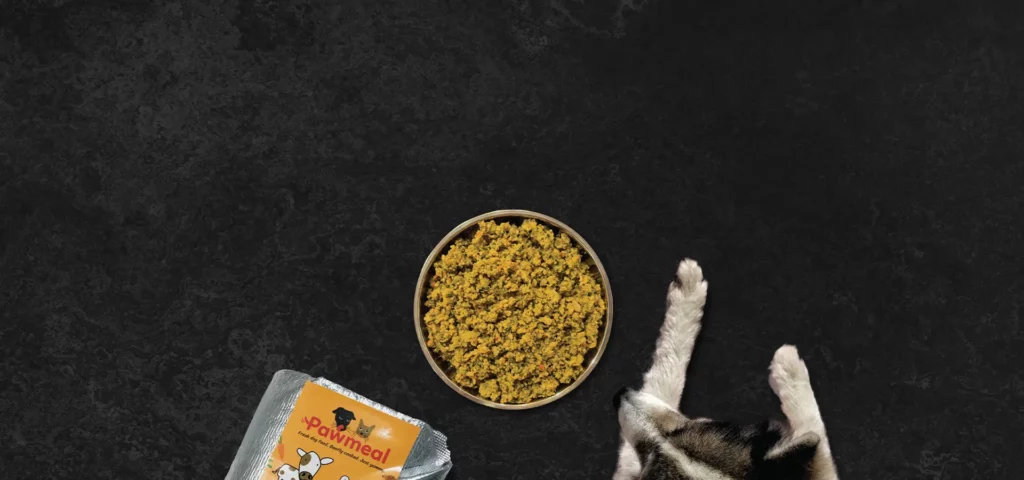
We founded Pawmeal after seeing many dogs in Singapore struggle with food-related issues that regular kibble did not fix long term. From the start, every recipe had to be based on science, not guesswork. All meals are created with veterinary guidance to meet or go beyond AAFCO, NRC, and FEDIAF nutritional standards.
For dogs with allergies and gut challenges, we offer:
- Gentle, easy-to-digest recipes with simple ingredient lists
- Kidney-supportive options with carefully controlled phosphorus and high-quality proteins
- Low-fat meals for dogs with pancreatitis or those who do better on lighter food
- Hypoallergenic-focused choices that avoid the most common trigger proteins
Meal plans can be adjusted around confirmed allergies, suspected sensitivities, age, weight, and activity level. Whether your dog is a growing puppy, a senior with a slower digestive system, or a very active adult, we factor that into the plan.
Ingredient quality sits at the heart of what we do. We use human-grade meats, fresh vegetables, and thoughtful carbohydrates, prepared in small batches in an AVS-licensed kitchen in Singapore. Meals are cooked weekly, then cooled and quickly frozen to keep them safe and fresh without chemical preservatives, artificial colours, fillers, or by-products.
For families who like to cook, we also offer a Cook-It-Yourself option using the same raw meats and vegetables plus our Pawmeal Essential Nutrient Blend. This six-ingredient mix is what we use in our cooked meals to keep them complete and balanced, taking the guesswork out of home cooking.
We are especially proud of our results with picky eaters: around eighty percent of fussy dogs that try Pawmeal start eating more willingly. Many allergy dogs have become “picky” simply because food made them feel unwell in the past. When meals taste and smell like real food and do not upset their stomachs, appetite often returns.
Families who switch to Pawmeal commonly report firmer stools, calmer skin, shinier coats, steadier energy, and fewer vet visits for gut or skin issues. We do not just deliver food and disappear – our team also offers personalised feeding advice and helps adjust recipes or portions when needed.
Real Results And What To Expect When You Switch To Pawmeal

Most pet parents want to know what to expect and how fast things may change. While every dog is different, we often see this pattern when switching to Pawmeal with a gradual transition. The Asia-Pacific Pet Diet Market research shows increasing demand for premium, fresh-food options as more pet owners in the region prioritize digestive health and allergen management.
- Weeks 1–2: You start by mixing Pawmeal with your dog’s current food. The first change many people notice is better stool quality – smaller, firmer, and less smelly. Some dogs drink a bit more water at first as their bodies adapt to richer nutrition.
- Weeks 3–4: Coats often begin to look shinier and feel softer. Many dogs scratch less, lick their paws less, and have fewer hot spots as inflammation slowly reduces. Energy becomes more steady, with fewer post-meal crashes and more relaxed play.
- Weeks 5–8: Skin usually looks healthier with fewer scabs or rashes, and ears may stay cleaner between checks. Digestive patterns become more regular, with stable stools and less gas. Formerly picky eaters often start finishing their bowls willingly.
- Two to three months and beyond: The longer-term picture appears. Dogs that used to have repeated flare-ups often show a healthy weight, a calmer immune system, and fewer emergency trips to the vet for skin or tummy issues.
Some dogs recover quickly, while those with long histories of steroids, antibiotics, or serious gut damage may need more time. Staying consistent with fresh dog food matters a lot, so we suggest avoiding frequent switches back to kibble. Keeping a simple symptom journal for stools, itch levels, and mood can make progress easier to see, and our team is ready to help fine-tune the plan as you go.
Complete And Balanced Nutrition And How Pawmeal Makes Every Meal Meet Your Dog’s Needs
A common worry is whether fresh food is really complete. People often fear that leaving kibble means losing important vitamins or minerals.
“Complete and balanced” means a diet that provides all essential nutrients in the right range for a dog’s life stage. Proteins, fats, carbohydrates, vitamins, minerals, and trace elements all need to sit in a healthy window. Too little leads to deficiency; too much can stress organs.
Every Pawmeal recipe is built with veterinary input to match or exceed the nutrient profiles from AAFCO, NRC, and FEDIAF. We then add our Pawmeal Essential Nutrient Blend, a six-ingredient mix that tops up specific vitamins and minerals that are harder to reach through food alone.
We also design formulas for different life stages:
- Puppies need more energy, protein, and certain minerals for growth.
- Adults benefit from balanced calories and lean muscle support.
- Seniors often do better with slightly lower calories and easy-to-digest ingredients.
Behind each recipe is careful checking of macro- and micronutrients. We look at protein-to-fat ratios, essential fatty acids, and the calcium-to-phosphorus balance to support both bones and kidneys. That way, when we adjust ingredients for allergies – for example by changing proteins – we keep overall nutrition intact.
Feeding Pawmeal means your dog can enjoy the skin and gut benefits of fresh food while still receiving complete daily nourishment.
Convenient Subscription Service With Fresh Meals Delivered To Your Door
Even when families are convinced that fresh feeding is better, busy schedules can make daily cooking feel impossible. Balancing nutrients at home is time consuming and stressful.
That is why Pawmeal runs as a subscription service. We calculate daily portions based on your dog’s weight, age, activity level, and body condition, then pack meals into easy-to-use portions. There is no guessing with scoops or rushing to refills at the last minute.
Meals are cooked weekly in our AVS-licensed kitchen, then cooled and flash frozen. Packaging is freezer-friendly, stacks neatly, and thaws quickly in the fridge. Feeding fresh becomes as simple as opening a packet and serving.
Life can change, and so can your dog’s needs. You can adjust, pause, or change your Pawmeal plan at any time. Our support team helps with portion updates and recipe adjustments so that the meals arriving at your door keep matching your dog’s current situation. For dogs with allergies and gut issues, this steady supply of the right food is a big part of keeping symptoms under control.
Choosing The Right Pawmeal Formula For Your Dog’s Specific Needs
With several Pawmeal recipes available, the next step is choosing the right starting point. We usually begin with a simple allergy and health review – through a short chat or form – covering itching, ear infections, stool history, past diagnoses, and any suspected food triggers.
Key guidelines we often follow:
- For suspected or confirmed food allergies, we usually recommend single protein recipes first. This makes it easier to see how your dog responds to one clear meat source at a time.
- If your dog has reacted to common meats like chicken or beef, we may suggest beginning with novel proteins your dog has never eaten before.
- For dogs with pancreatitis or a history of vomiting after rich foods, our low-fat recipes can ease the workload on the pancreas and gut.
- Dogs with kidney conditions may benefit from our kidney-supportive formulas with controlled minerals.
When a dog has a long list of possible triggers, using a novel single protein recipe gives the best chance of avoiding past irritants. We always match recipes to life stage as well, choosing puppy, adult, or senior-focused meals where appropriate.
Many families start with a variety pack of two or three suitable recipes. This lets us see which flavours your dog enjoys and which ones the body handles best. From there, we can design a rotation plan that keeps meals interesting without straying into unsafe proteins. Our team offers personalised feeding consultations and is happy to work alongside your own vet, especially for complex medical cases.
Transitioning To Fresh Food With A Step By Step Guide For Success
Switching from kibble to fresh dog food should be gentle, especially for sensitive stomachs. A slow transition gives the gut time to adapt to different textures and richer nutrition. We usually suggest a seven- to ten-day schedule:
- Days 1–2: Feed about 25% Pawmeal and 75% current food in each meal. Let your dog get used to the new smell and taste. Watch stools and comfort levels; mild changes are normal.
- Days 3–4: Move to a 50/50 mix. Some dogs may have slightly softer stools as the gut microbiome starts to change. Keep everything else – especially treats – the same so the main shift comes from meals.
- Days 5–6: Increase to around 75% Pawmeal and 25% old food. Many dogs are very excited by this point, even former picky eaters. Stools usually begin to settle into a new pattern.
- Day 7 onward: Most families can now feed 100% Pawmeal. Dogs with very fragile digestion may need ten to fourteen days, increasing more slowly.
During the first weeks, avoid rotating many different proteins. Begin with one safe recipe (or a small set) so the body has a stable base to adapt. For picky eaters, serving food at room temperature, gently warming meals, adding a little unsalted bone broth, or hand-feeding a few bites can help. Our support team is ready to help adjust the plan if any bumps appear.
Beyond Diet With Complementary Approaches To Managing Allergies And Gut Health
Food forms the base of allergy and gut care, but other daily habits can support or slow progress. We see the best results when diet changes are combined with a few simple steps.
Supporting the gut microbiome is powerful. Natural prebiotic ingredients in Pawmeal recipes already feed helpful bacteria. In tougher cases, vets may recommend targeted probiotic supplements to further calm inflammation.
Digestive enzymes may help some dogs, especially those with long-standing pancreatic strain or older dogs whose own enzyme production is lower. These should always be used under veterinary guidance.
Managing environmental allergens also matters:
- Regular baths with gentle, hypoallergenic shampoos
- Frequent washing of bedding in mild detergent
- Vacuuming and dusting to reduce dust mites
- Air filters in homes sensitive to dust or mould
Stress affects both the gut and the immune system. Predictable routines, calm playtime, and mental enrichment with training or puzzle toys can help keep stress hormones steady. When choosing treats, avoid ingredients removed from the main diet and use simple, single-ingredient treats that match your dog’s protein plan.
“Nutrition, environment, and medical care work best as a team” is a principle many integrative veterinarians emphasise when managing chronic conditions.
Regular vet check-ups remain vital. Your vet can monitor ears, skin, weight, and organ function while the new diet does its work. We always recommend working closely with your vet while feeding Pawmeal, especially for dogs with serious or multiple conditions.
Conclusion
Living with a dog that scratches all night, has messy stools, or walks away from the bowl is exhausting. Over time, it affects sleep, mood, and the simple joy of life with your dog. Again and again, we see that the food bowl holds far more power over allergies and gut health than most people realise.
By moving away from highly processed kibble filled with vague meats, fillers, and artificial additives, and towards fresh, gently cooked meals, we give the body what it needs to calm down. A well-supported gut helps steady the immune system, which then shows up as clearer skin, healthier ears, better digestion, and steadier energy. For many dogs in Singapore, fresh dog food for allergies and gut health from Pawmeal has made a clear difference.
Pawmeal’s veterinary-guided recipes, cooked weekly in an AVS-licensed kitchen with human-grade ingredients, give pet parents a practical way to feed premium nutrition every day. With customisable plans, protein rotation, novel proteins, and our Pawmeal Essential Nutrient Blend, we address both allergy triggers and overall nourishment. Our subscription service and feeding support make it realistic for busy families to stay consistent.
If your dog has been struggling with chronic itching, soft stools, or unexplained tummy troubles, staying on the same food only stretches out their discomfort. Visit Pawmeal’s website, explore our fresh recipes, and reach out for a personalised feeding consultation. With the right plan, many dogs regain comfort, energy, and enthusiasm for mealtimes – and we are here to support you both through every step.